Peak-season shipping costs begin rising before the holiday rush reaches its busiest weeks. Here are the 2026 USPS, UPS and FedEx seasonal charges online sellers should build into their Q4 pricing and fulfillment plans.

ByteConn > Blog
Peak-season shipping costs begin rising before the holiday rush reaches its busiest weeks. Here are the 2026 USPS, UPS and FedEx seasonal charges online sellers should build into their Q4 pricing and fulfillment plans.

California’s new textile EPR law reaches far beyond major fashion brands. Depending on who owns the brand, imports the merchandise, or sells it into California, online apparel and textile businesses may have producer obligations—while secondhand-only sellers receive an important exclusion.
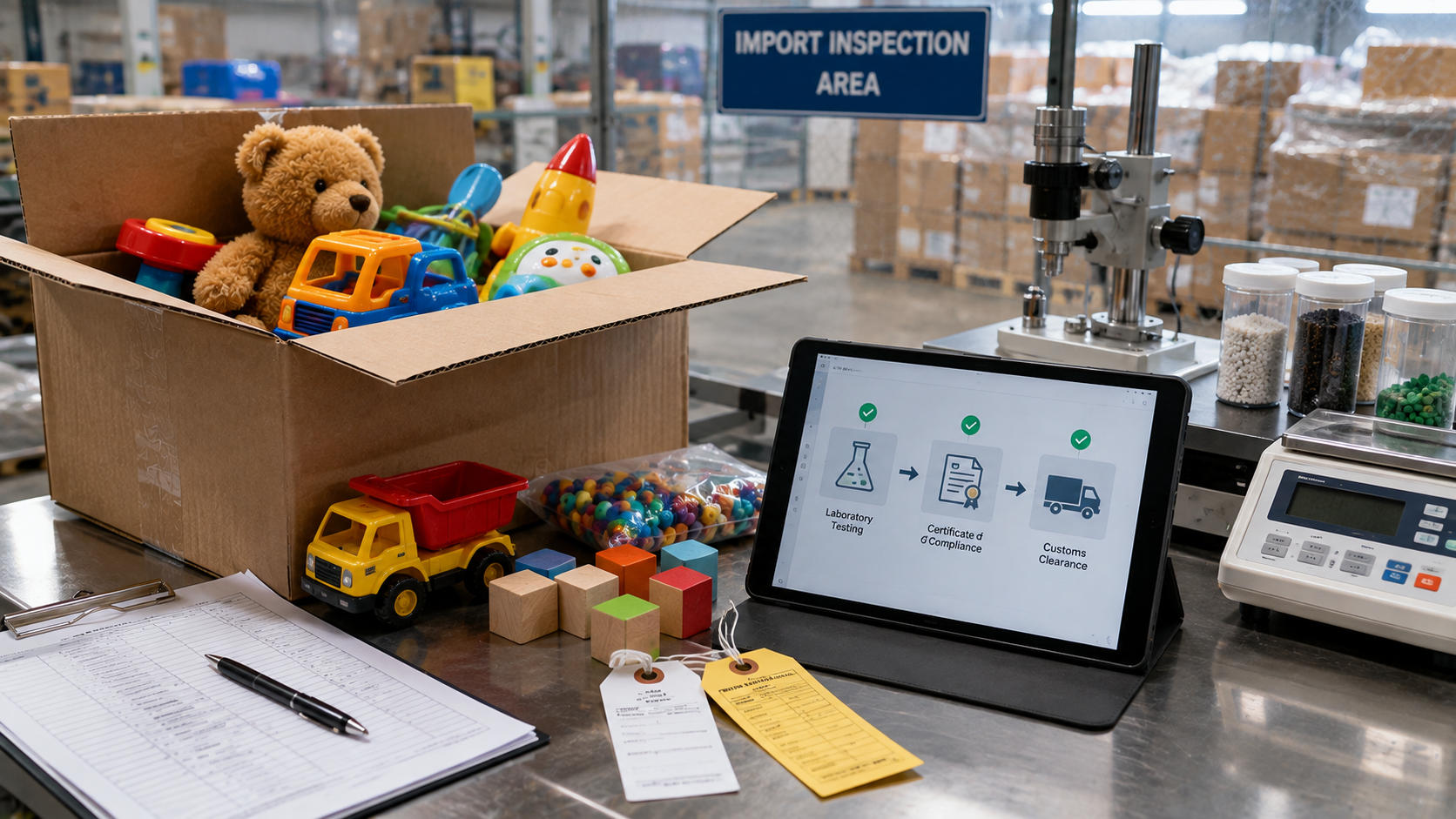
CPSC’s new electronic certificate-filing requirement is now active for most regulated consumer products imported into the United States. Sellers importing toys, children’s goods, and other CPSC-regulated merchandise need their compliance data ready before customs entry—not after inventory reaches the warehouse.

Marketplace sellers who cross certain transaction and revenue thresholds can be required to provide banking, tax, identity, and contact information—and failure to respond can lead to account suspension. Here is how the INFORM Consumers Act works and how sellers can prepare.

The old assumption that an imported package worth $800 or less can automatically enter the United States duty-free no longer works. Here is what online sellers need to know about customs entries, duties, landed costs, supplier quotes, and the next postal-import change arriving in September 2026.

The federal 1099-K reporting threshold for payment apps and online marketplaces is back to more than $20,000 and more than 200 transactions. But that does not mean income below the threshold is tax-free—and the number shown on Form 1099-K is not the same as your profit.

USPS made several important package-shipping changes on July 12, 2026, including a lower dimensional-weight divisor, new dimension-rounding rules, revised Ground Advantage commercial pricing, expanded cubic eligibility, and new hazmat fees.
Resellers love tools. Every new app or platform promises faster listing, smarter sourcing, easier tracking, and better analytics. But most reseller tools fail. They fail because they try to fit every seller into a one size fits all workflow, when real reselling requires customized systems that match your inventory, categories, routine, and growth style. If […]
If you want your reselling business to scale, you need more than good products and strong listings. You need a clear, repeatable process that produces consistent results every time you list a new SKU. A fully documented Standard Operating Procedure, or SOP, eliminates guesswork, reduces mistakes, increases listing quality, and makes it easier to hire […]
As your reseller business grows from a few shelves to hundreds or even thousands of active SKUs, staying organized becomes the difference between smooth operations and daily chaos. High volume sellers succeed not because they work harder, but because their SKU organization systems remove friction from every part of the workflow: listing, storage, picking, packing, […]
Recent Comments