Our Archive

Welcome to your Archive. This is your all post. Edit or delete them, then start writing!

ByteConn > Blog > 2026 > August

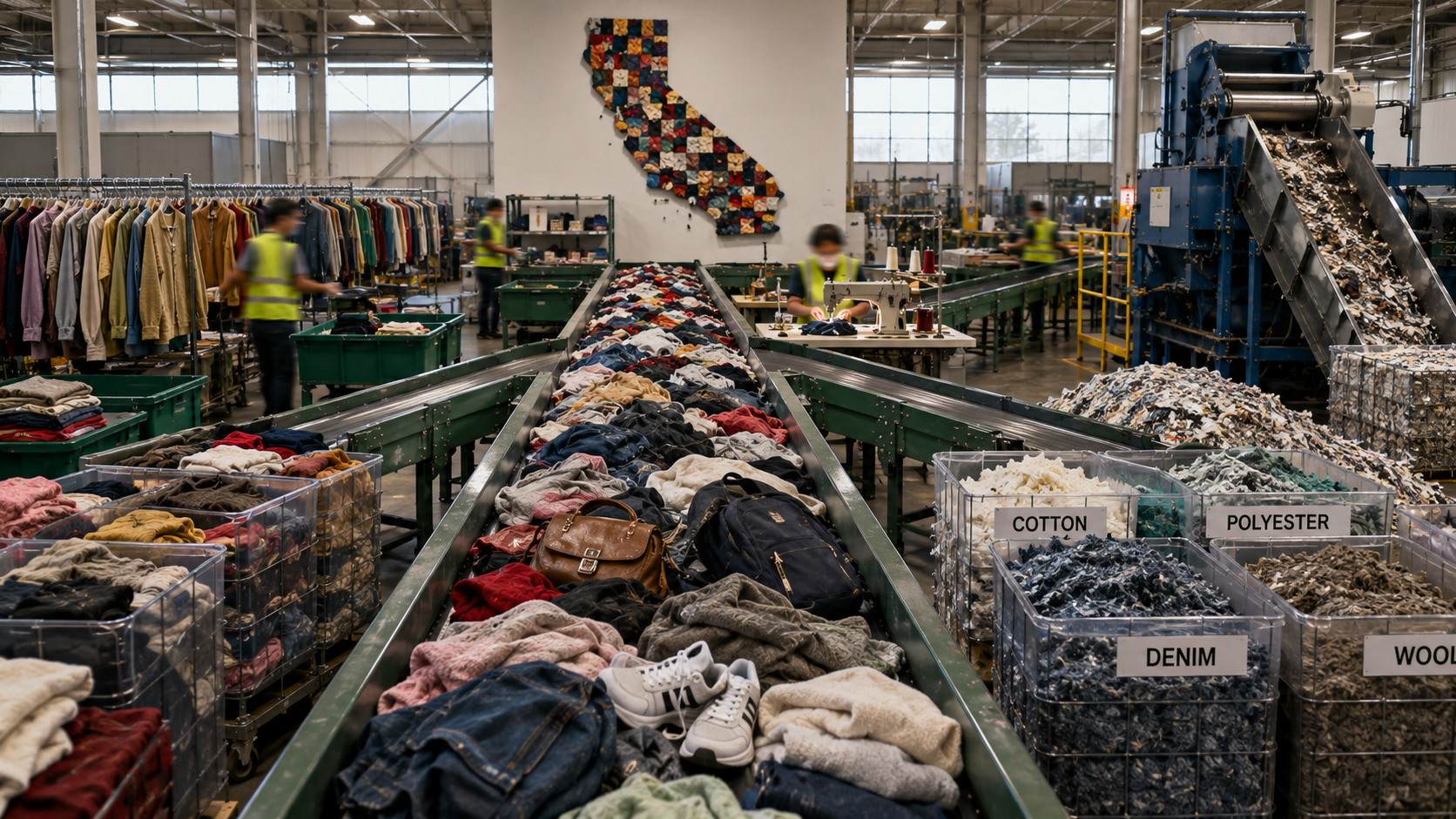
California’s new textile EPR law reaches far beyond major fashion brands. Depending on who owns the brand, imports the merchandise, or sells it into California, online apparel and textile businesses may have producer obligations—while secondhand-only sellers receive an important exclusion.
Read More

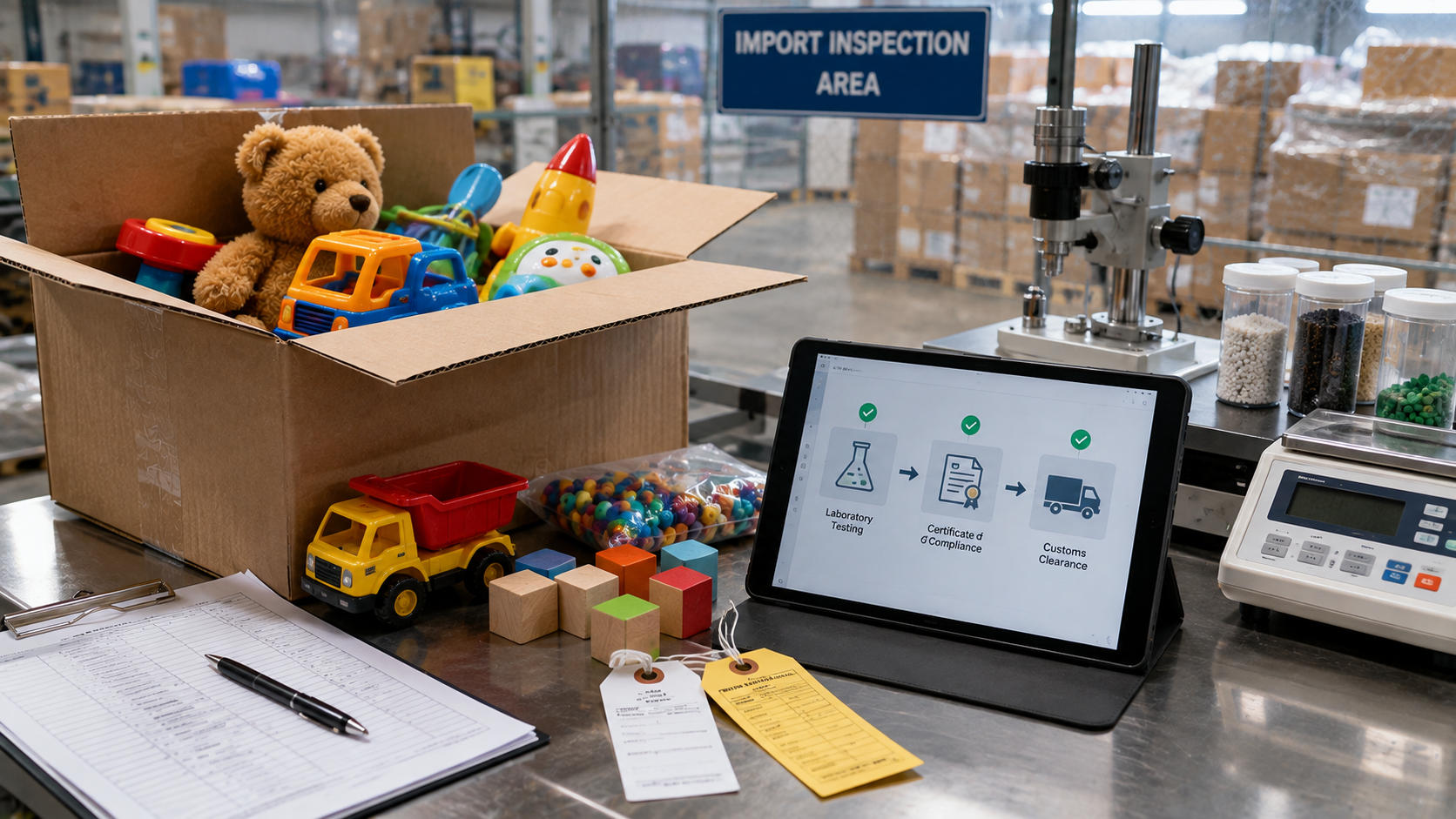
CPSC’s new electronic certificate-filing requirement is now active for most regulated consumer products imported into the United States. Sellers importing toys, children’s goods, and other CPSC-regulated merchandise need their compliance data ready before customs entry—not after inventory reaches the warehouse.

Read More

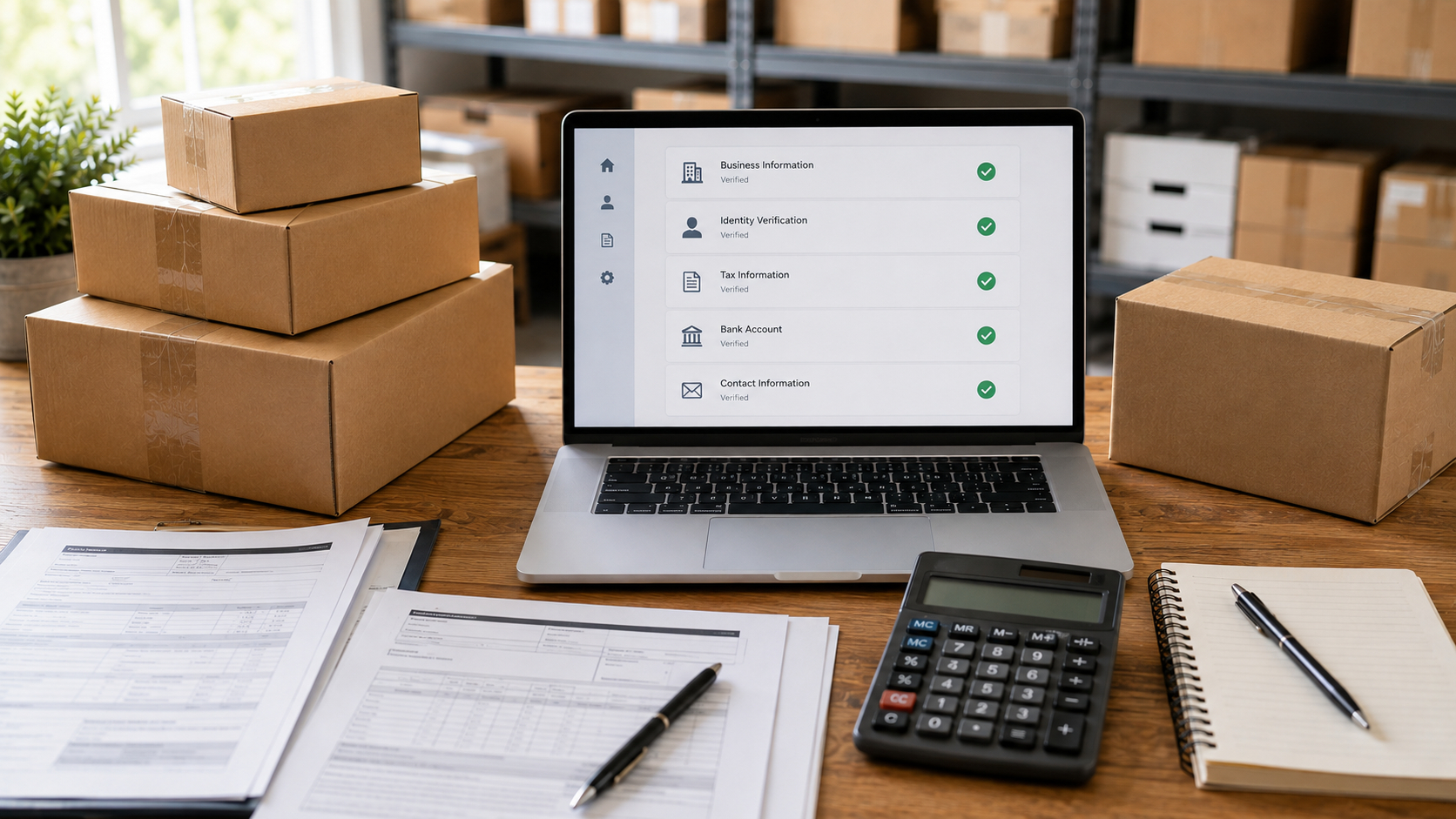
Marketplace sellers who cross certain transaction and revenue thresholds can be required to provide banking, tax, identity, and contact information—and failure to respond can lead to account suspension. Here is how the INFORM Consumers Act works and how sellers can prepare.

Read More

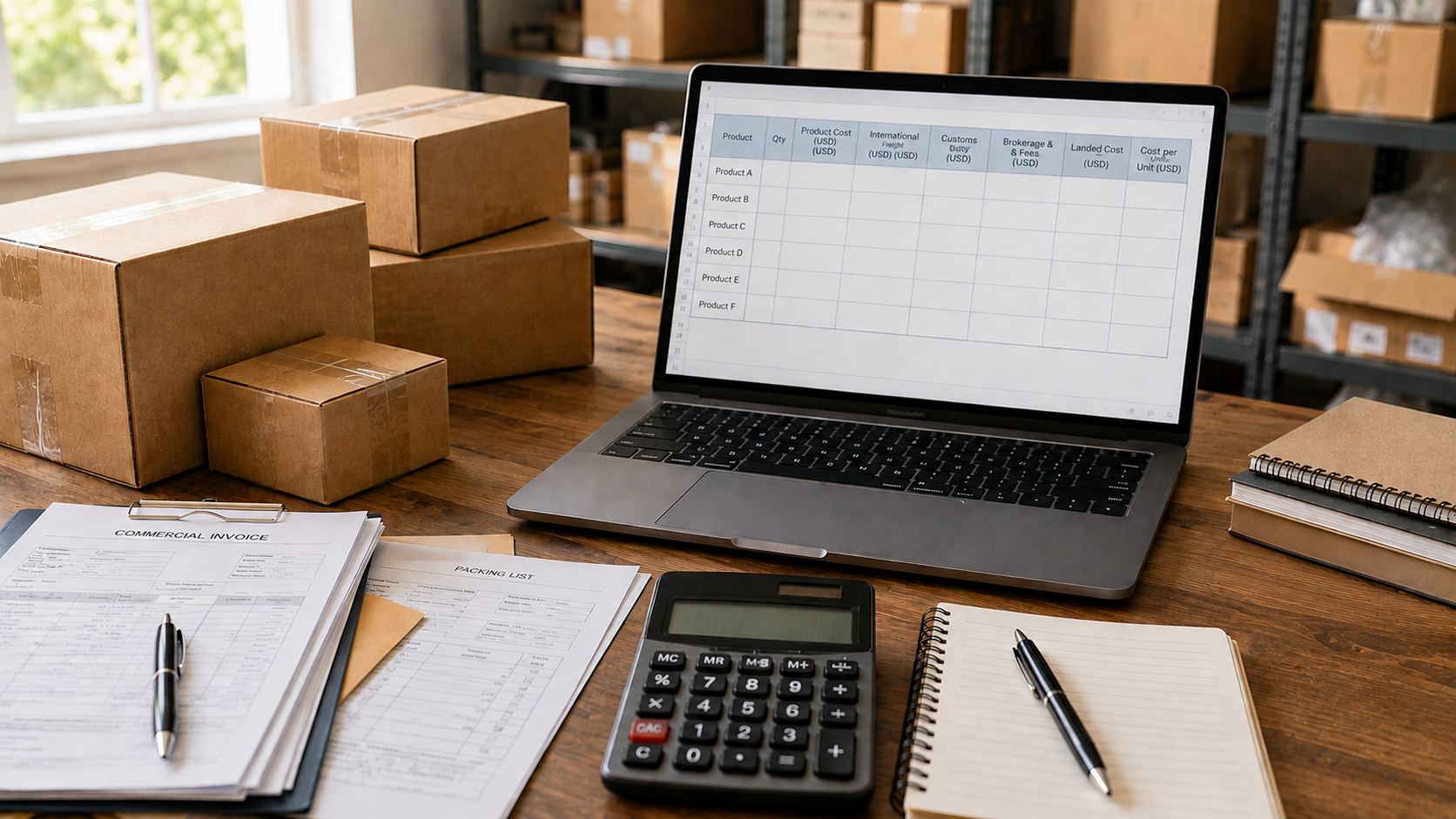
The old assumption that an imported package worth $800 or less can automatically enter the United States duty-free no longer works. Here is what online sellers need to know about customs entries, duties, landed costs, supplier quotes, and the next postal-import change arriving in September 2026.

Read More

The federal 1099-K reporting threshold for payment apps and online marketplaces is back to more than $20,000 and more than 200 transactions. But that does not mean income below the threshold is tax-free—and the number shown on Form 1099-K is not the same as your profit.

Read More